
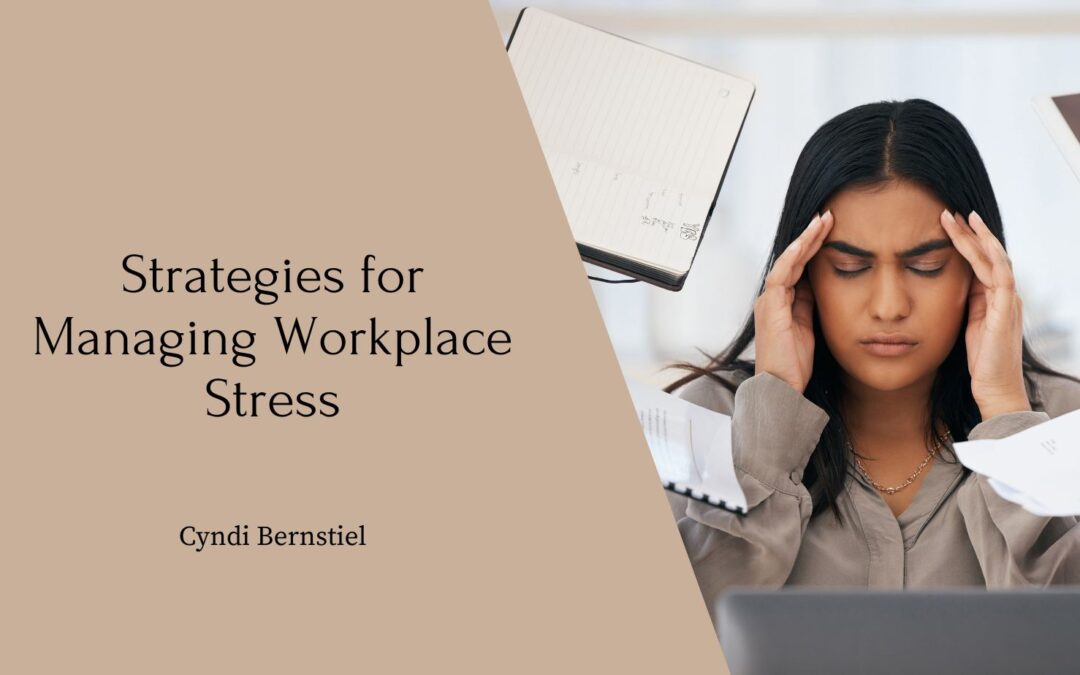
Workplace stress is a common challenge faced by professionals across various industries. Tight deadlines, high expectations, long hours, and demanding workloads can all contribute to feelings of stress and burnout. If not properly managed, stress can negatively affect your physical and mental well-being, reduce productivity, and impair relationships with colleagues. However, with the right strategies in place, managing stress in the workplace is possible, allowing you to maintain both your health and work performance.
Here are some effective strategies for managing workplace stress:
1. Prioritize and Organize Your Tasks
One of the main sources of stress is feeling overwhelmed by a long to-do list or competing priorities. To alleviate this stress, prioritize your tasks and break them down into smaller, more manageable steps. Start by identifying the most urgent and important tasks, and focus on completing those first. This method, known as time blocking, helps you stay organized and reduces the feeling of being scattered across multiple projects.
Use tools like calendars, task management apps, or simple to-do lists to stay on top of your responsibilities. When tasks are organized and you have a clear plan, it’s easier to stay focused and feel in control of your workload.
2. Take Regular Breaks
Taking short breaks throughout the day is essential for preventing burnout and maintaining productivity. When you’re deeply immersed in work, it’s easy to forget to step away, but research shows that taking breaks can actually improve focus and cognitive function. The Pomodoro Technique, which involves working for 25 minutes followed by a 5-minute break, is a popular method to encourage regular breaks while maintaining productivity.
During your breaks, engage in activities that help you recharge, such as stretching, going for a walk, or practicing mindfulness. This brief time away from work allows your mind to rest and helps you return to tasks feeling refreshed and more capable of tackling challenges.
3. Practice Mindfulness and Meditation
Mindfulness practices, such as meditation, breathing exercises, or even mindful walking, can help you manage stress in the workplace. Mindfulness involves paying attention to the present moment without judgment, helping you become more aware of your thoughts and feelings. By acknowledging and accepting your emotions, you can reduce anxiety and prevent overwhelming stress.
Simple meditation techniques, like deep breathing or progressive muscle relaxation, can calm the mind and alleviate physical tension. Incorporating mindfulness into your daily routine—whether through a few minutes of breathing exercises in the morning or a short meditation during lunch—can help you maintain a sense of calm throughout the day.
4. Set Boundaries and Learn to Say No
Overcommitting yourself is a surefire way to increase stress levels. It’s important to set boundaries to avoid taking on more work than you can handle. Learning to say no, especially when you already have a full plate, is essential for preserving your mental and physical health.
Be clear with your colleagues or supervisors about your workload and communicate any limitations respectfully. Setting boundaries also involves knowing when to disconnect from work, such as not checking emails after office hours or avoiding work-related tasks during your time off. Maintaining these boundaries allows you to strike a healthy balance between work and personal life.
5. Stay Physically Active
Exercise is a powerful stress reliever, and incorporating physical activity into your daily routine can have a significant impact on your ability to manage workplace stress. Regular physical activity increases the production of endorphins, which are natural mood lifters. Exercise also helps reduce anxiety, improve focus, and increase energy levels.
Whether it’s a brisk walk during lunch, a yoga session in the morning, or a quick workout after work, staying active is a great way to relieve stress. Even short bursts of physical activity throughout the day can help clear your mind and improve your overall well-being.
6. Seek Support from Colleagues or Supervisors
Don’t be afraid to seek support if you’re feeling overwhelmed. Discussing your challenges with a colleague, mentor, or supervisor can provide valuable perspective and emotional support. Talking about your stressors allows you to vent and release pent-up emotions, while also finding practical solutions.
In some cases, your employer may offer resources like employee assistance programs (EAPs) or counseling services to help you cope with workplace stress. These programs provide confidential support and can help you manage both personal and professional stress more effectively.
7. Adopt a Positive Mindset
Maintaining a positive mindset is one of the most effective ways to reduce stress. When faced with a stressful situation, try to reframe it in a more positive light. Instead of focusing on the challenges, focus on the opportunities for growth or the lessons you can learn.
Practicing gratitude, such as reflecting on what you’re grateful for at the end of each day, can also help shift your focus away from stressors. A positive mindset not only helps you manage stress more effectively but also enhances your overall job satisfaction and productivity.
In conclusion, workplace stress is inevitable, but it doesn’t have to take a toll on your health or performance. By prioritizing tasks, taking regular breaks, practicing mindfulness, setting boundaries, staying active, seeking support, and adopting a positive mindset, you can manage stress in a healthy and productive way. By implementing these strategies, you’ll be better equipped to navigate the challenges of the workplace while maintaining your well-being.